Sexual violence remains a persistent risk for college students nationwide, and the numbers from RAINN make that plain: one in eight students experience sexual violence during college, with 13% of undergraduates reporting rape or sexual assault after enrolling. That reality has taken on new weight following a lawsuit filed against seven Chi Phi fraternity members at Cornell University, where a woman identified as Jane Doe alleges a gang-rape was mishandled while she was heavily intoxicated last October.
What the Data Shows at Texas Tech
Texas Tech's annual Fire & Safety report logged 106 Title IX reports of sexual misconduct in 2025. The university defines Title IX protection in blunt terms: no person shall be excluded from, denied benefits of, or subjected to discrimination under any federally funded education program on the basis of sex. Students have three reporting paths - an online form, direct contact with administrators, or outreach to confidential staff such as counselors. Reports can be filed by the student, by a family member on their behalf, or anonymously.
How the Process Actually Works
Here's the part students often don't know: being named in a report doesn't obligate anyone to act. Kimberly Simón, a Title IX administrator in the Office of the President, said faculty and staff are legally required to report what they're told, but students themselves are not required to do anything in response.
"If a report is made on behalf of a student and they don't want to talk to us, they don't have to," Simón said. "They don't have to come in, they don't have to give a statement, they don't have to meet with anybody. That part is up to them."
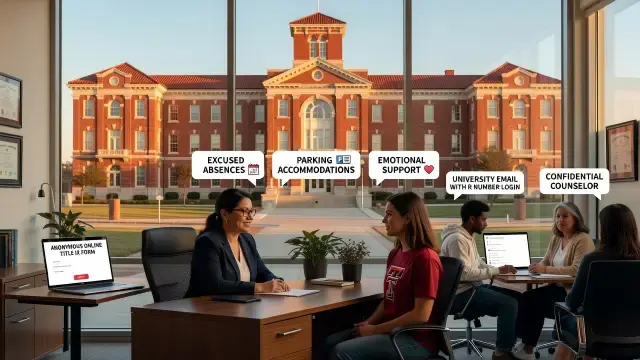
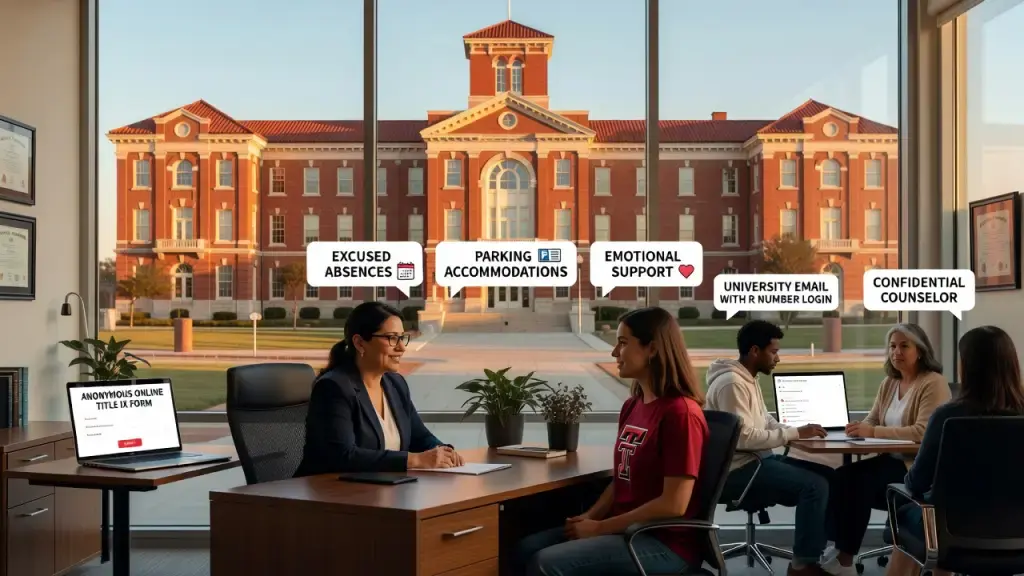
Once a report lands, the office reaches out through university email, asking students to log in with their R number to receive information privately - a deliberate choice, Simón said, since phones and inboxes aren't always private spaces.
"We know sometimes other people have access to your email or to your phone or your voicemails," she said. "We try to make sure that communication is as discreet as possible."
Safety First, Decisions Second
If a student agrees to meet, the first conversation isn't about the investigation. It's about immediate needs - excused absences, parking accommodations, emotional and physical safety - before any discussion of next steps.
"What does the student need right now in this moment?" Simón said. "Do they need excused absences for class? Do we need to look at parking? What does the student need at that moment so that they can think about all the steps that come next?"
Students aren't locked into a single path once they've reported, and they can change course at any point.
"Students are never locked into our process," Simón said. "They drive the bus, they can control if we move a step higher, if we move a step lower, and that agency is theirs throughout the entire process."
Addressing the Comparisons to Cornell
Scrutiny of how universities handle sexual assault cases has intensified since the Cornell lawsuit became public, and Simón addressed the comparison directly, pointing to the campus police department's leadership and a notably low staff turnover rate within her own office - investigators and case managers who've stayed in their roles eight to nine years, by her account, compared with a national average closer to three years for Title IX coordinators.
"We're a team that has worked together for a long time, know each other, trust each other," she said. "I think stability, consistency, visibility with students - those are all things we try to do."
Tech's Interfraternity Council also pledged $1,000 to Voice of Hope, a Lubbock nonprofit offering free counseling to survivors, framing the gesture around fraternity accountability rather than charity alone.
Where to Get Help
- Tech Crisis Helpline: 806-742-5555, available 24/7 for mental health crises, suicidal thoughts, sexual assault, or interpersonal violence
- RAINN National Sexual Assault Hotline: 800-656-4673, available 24/7 in English and Spanish
- Online chat: RAINN.org/hotline
- Text "HOPE" to 64673
For students weighing whether to report, counsel from administrators like Simón suggests there's no wrong entry point - confidential counseling, a direct conversation, or an online form all lead to the same baseline promise: the decision of what happens next stays with the student.