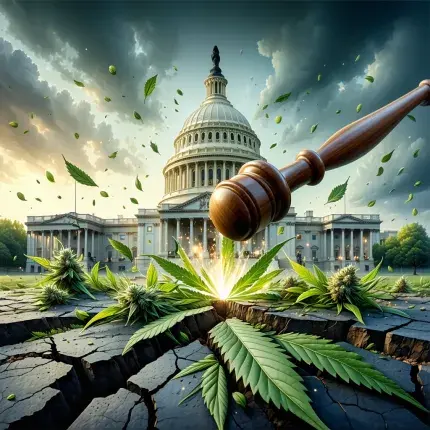
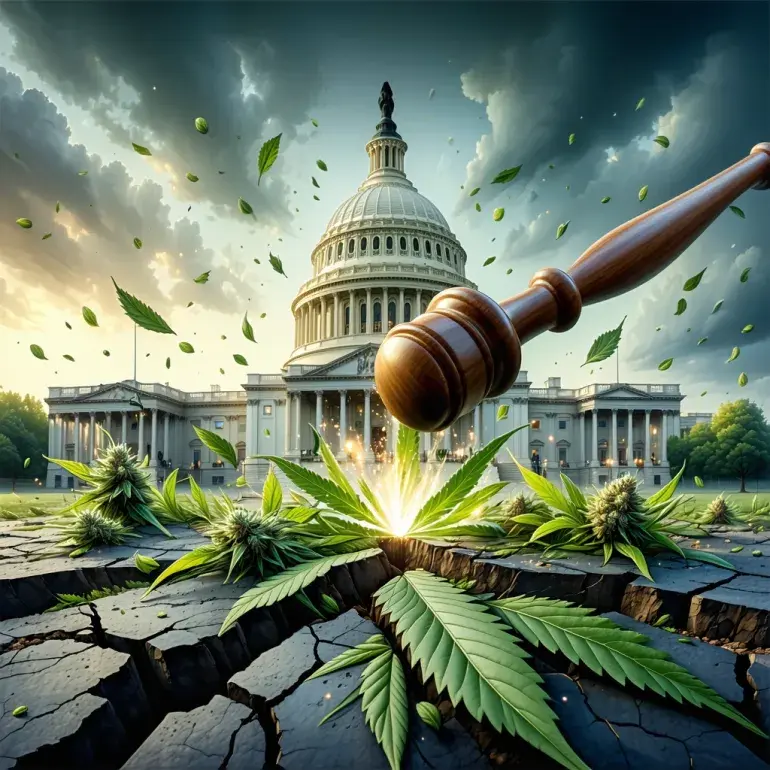
In a provision tucked into last month's government funding bill ending the longest U.S. federal shutdown, Congress approved a ban on hemp-derived THC products, set to take effect in November 2026. This move addresses a critical public health gap in the hemp industry, curbing unregulated intoxicants while sparking debate over economic fallout for farmers.
The 2018 Loophole and Its Exploits
The 2018 Farm Bill legalized hemp but inadvertently created a pathway for Delta-8 and similar THC products, derived from hemp's trace cannabinoids through chemical conversion. Filmmaker Rob Rosen, in his 2024 documentary High Stakes, exposed how manufacturers exploited this, adding synthetic compounds to amplify intoxication without oversight. These products flooded gas stations and convenience stores—even in marijuana-legal states like Michigan—often evading state regulations and dispensary controls.
Health Risks Driving Regulation
Unregulated hemp-derived THC posed serious dangers: lab tests cited by Rosen revealed toxic additives, including heavy metals and unknown synthetics, mimicking street drugs' unpredictability. Vulnerable groups, including youth accessing cheap Delta-8 at gas stations, faced heightened risks of addiction, psychosis, and organ damage. This ban, limiting total THC to 0.4 milligrams per container, aligns with broader trends toward stricter cannabinoid controls, mirroring crackdowns on vaping synthetics and emphasizing lab-tested, pharma-grade alternatives for pain and anxiety management.
- Key dangers: Unlabeled synthetics boosting potency 10-20x natural levels.
- Prevalence: Available outside dispensaries nationwide, bypassing age checks.
- Expert insight: Similar to fentanyl-laced pills, these evade detection until harm emerges.
Industry Concerns and Future Outlook
While proponents celebrate safer markets, critics like Sen. Rand Paul warn the THC cap could wipe out viable hemp products for wellness, devastating farmers who pivoted to this cash crop post-2018. Hemp's economic boon—$1 billion+ in annual U.S. sales—now hangs in balance, with amendments likely before 2026. Local U.P. players like The Fire Station Cannabis Company remain unscathed, stocking only state-regulated marijuana, underscoring a shift to licensed channels.
Ultimately, this targets intoxicating loopholes without banning hemp fiber or CBD, fostering a regulated ecosystem that prioritizes safety over shadow markets and protecting public health amid rising synthetic drug crises.