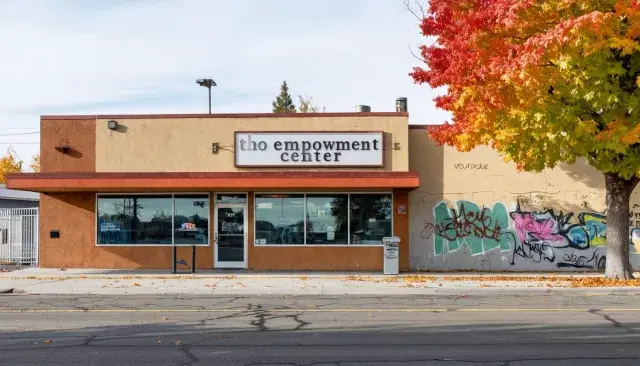
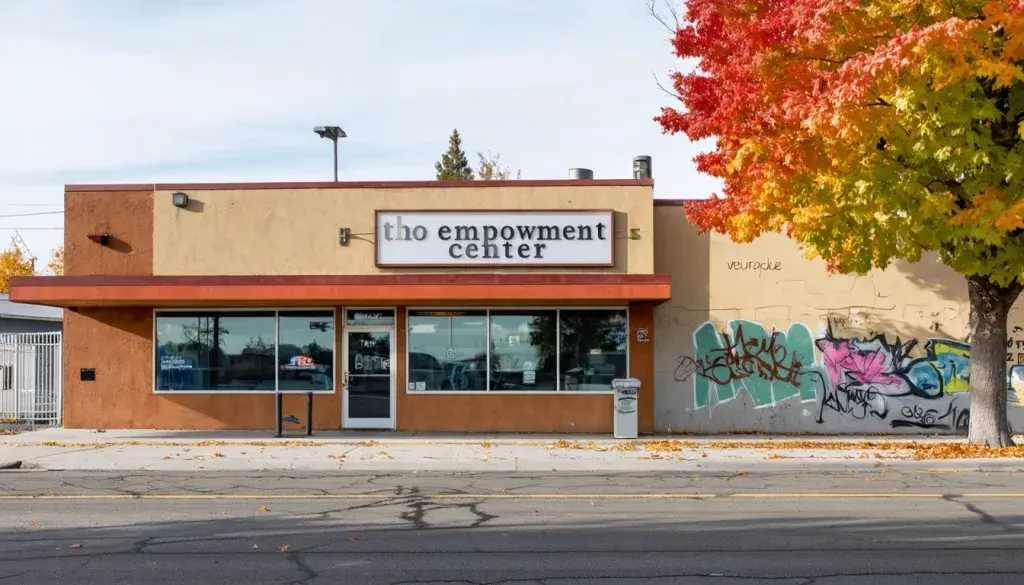
In a striking reversal, The Empowerment Center, a Reno nonprofit aiding addiction recovery, has withdrawn its strong opposition to Thrive Dispensary opening next door, citing resolved concerns over client relapse risks. This shift, announced via a letter to city officials in October 2019, paved the way for a 5-1 Reno City Council approval, highlighting tensions between cannabis expansion and public health protections.
Initial Fears of Relapse Triggers
Staff at The Empowerment Center, housed in a refurbished former motel once notorious as a drug den, voiced deep worries about the dispensary's proximity. Executive Director Roxanne DeCarlo and program leaders like Steve Maxwell emphasized the vulnerability of early-recovery clients, particularly in their first 100 sober days when relapse risks peak.
- Concerns included the smell of marijuana wafting over, visible logos tempting passersby, and easy access for those with lingering urges.
- Peer counselor Ashley Ward noted that even awareness of cannabis nearby could unsettle newcomers battling cravings.
These fears align with public health research showing substance cues as potent relapse triggers, especially for cannabis-dependent individuals where proximity studies indicate up to 20-30% higher recidivism in high-exposure environments.
The Confidential Agreement and Shift
Thrive Dispensary's representatives engaged in extensive discussions, addressing odors, signage, and operations to the center's satisfaction. Board President Eric Boone's October 15 letter formally withdrew objections, though details remain confidential.
- Hints suggest accommodations like odor control measures and support for the center's $1.1 million housing expansion, potentially aiding a relocation amid their capital campaign.
- Thrive owner David Brown stressed transparency on their low-impact practices, from no on-site consumption to discreet branding.
This turnaround reflects pragmatic negotiations in Nevada's booming cannabis market, where dispensaries generated over $1 billion in sales by 2019, pressuring zoning adaptations.
Council Vote and Policy Precedents
Mayor Hillary Schieve dissented, decrying inconsistency with a prior rejection of a liquor store near another recovery center, arguing it undermines public trust and recovery safeguards. The vote approved Thrive alongside Deep Roots Harvest, while postponing Essence due to casino proximity rules.
Implications for Recovery and Cannabis Policy
This case underscores evolving dynamics in legalized states: cannabis, often viewed as less gateway-like than opioids or alcohol per CDC data, prompts reevaluation of blanket proximity bans. Yet, for recovery centers serving 70% polysubstance users, selective accommodations could model balanced growth—fostering industry accountability without stifling economic benefits. As Nevada enforces 1,500-foot casino buffers starting 2020, similar pacts may shape urban landscapes, prioritizing evidence-based harm reduction over rigid zoning.