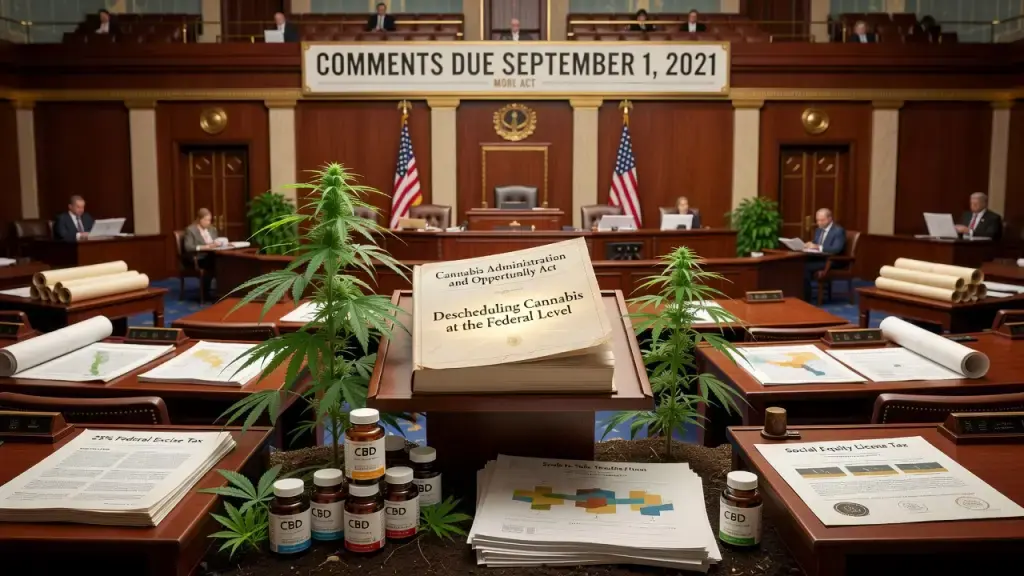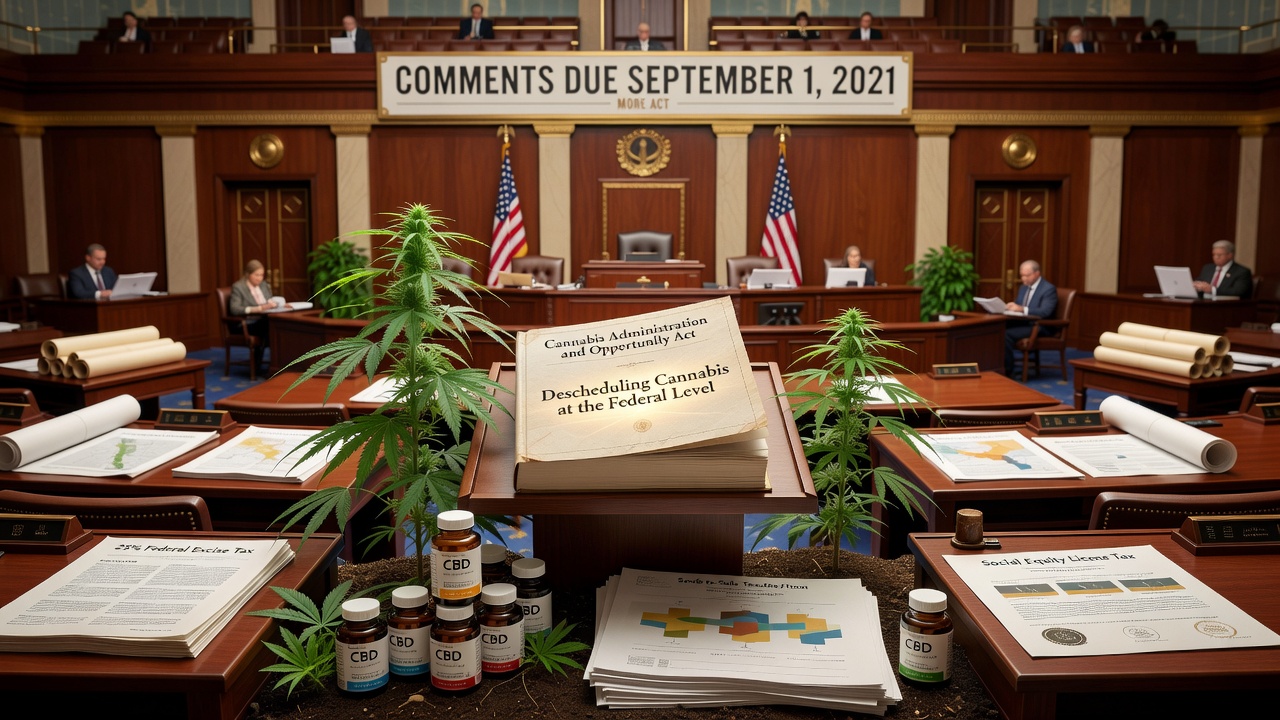
Three senators put a discussion draft on the table, and the cannabis industry now has an actual text to argue over. Senate Majority Leader Chuck Schumer, along with Senators Cory Booker and Ron Wyden, circulated the Cannabis Administration and Opportunity Act last week, a 163-page proposal to deschedule cannabis at the federal level. Schumer has been blunt about the political intent, telling the Senate he plans to make this a priority during the current Congress. That alone is worth sitting with for a moment, because federal cannabis reform has spent years as a talking point rather than a drafting exercise.
A Discussion Draft, Not a Bill - And That Distinction Matters
Here's the catch that operators need to understand before getting ahead of themselves: this is not legislation introduced on the Senate floor. It's a discussion draft, released publicly and ahead of formal introduction specifically so stakeholders can weigh in. The senators' offices are taking comments through September 1, 2021. For an industry that has spent years reacting to federal policy rather than shaping it, this is a genuinely different posture. Multi-state operators, trade associations, compliance counsel, and advocacy groups all have a documented channel to flag gaps before the language hardens into something harder to amend.
Don't Expect Fast Movement
Comment periods take time to process. Drafting takes longer. Floor votes take longer still. In practice, the realistic timeline runs to months, not weeks, and the odds of swift passage remain low given the Senate's broader legislative calendar and the votes such a bill would need to clear. That said, slow does not mean irrelevant. This draft is a mile-marker - the first real opportunity for industry voices, public health officials, law enforcement representatives, and state regulators to shape federal text before it calcifies. Operators who sit this comment period out are ceding ground to those who don't.
CBD Gets a Dietary Supplement Pathway - With Strings Attached
Section 505 of the draft would lift the current prohibition on marketing CBD as a dietary supplement, a change hemp-derived product manufacturers have wanted for some time. But the provision comes with a built-in limiter: products exceeding a government-set daily serving threshold would be deemed adulterated. That threshold isn't specified in the draft - it would fall to the FDA to set it, along with labeling, packaging, and safety requirements. The FDA would also gain explicit enforcement authority over noncompliant CBD products marketed as supplements. For brands already navigating inconsistent state-level CBD rules, this adds a federal compliance layer rather than removing one.
Where the Draft Falls Short
No proposal arrives without gaps, and this one has a few worth flagging directly:
- A 25% federal excise tax rate, which stacks on top of existing state and local tax burdens and could pressure already thin retail margins, particularly for operators still carrying 280E liability during any transition period.
- Limited clarity on how state regulatory frameworks - license caps, seed-to-sale tracking, testing regimes - would coexist with federal oversight.
- No defined transition period before interstate commerce opens, which raises real questions for social equity license holders and smaller operators who could face immediate competition from larger, better-capitalized markets.
These aren't small details. They go to the operational core of how a legal interstate cannabis market would actually function on the ground, from wholesale pricing to compliant packaging standards.
How This Fits Alongside the MORE Act
The Senate draft shares considerable DNA with the House's recently reintroduced MORE Act - both address social equity, criminal justice reform, and taxation. But the two bills diverge in meaningful ways, and reconciling them will require real negotiation as each moves through its respective chamber. For an industry that has learned not to get too far ahead of Washington, the honest takeaway is this: pay attention, submit comments, and treat this draft as a starting point rather than a finish line.